Secondary Packaging

Additional packaging steps are often needed for food or non-food projects to complete the finished goods that have already gone through the first step of primary filling or packaging.  These steps are commonly referred to as “secondary” packaging.

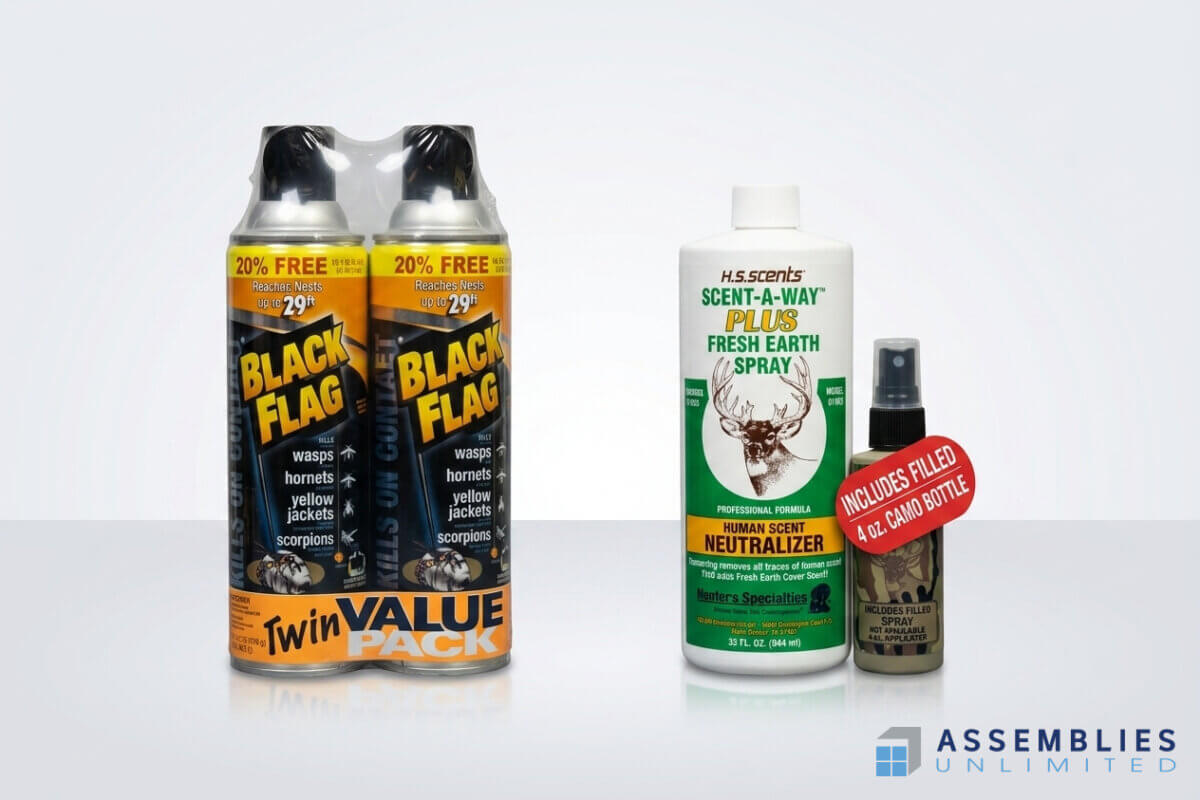
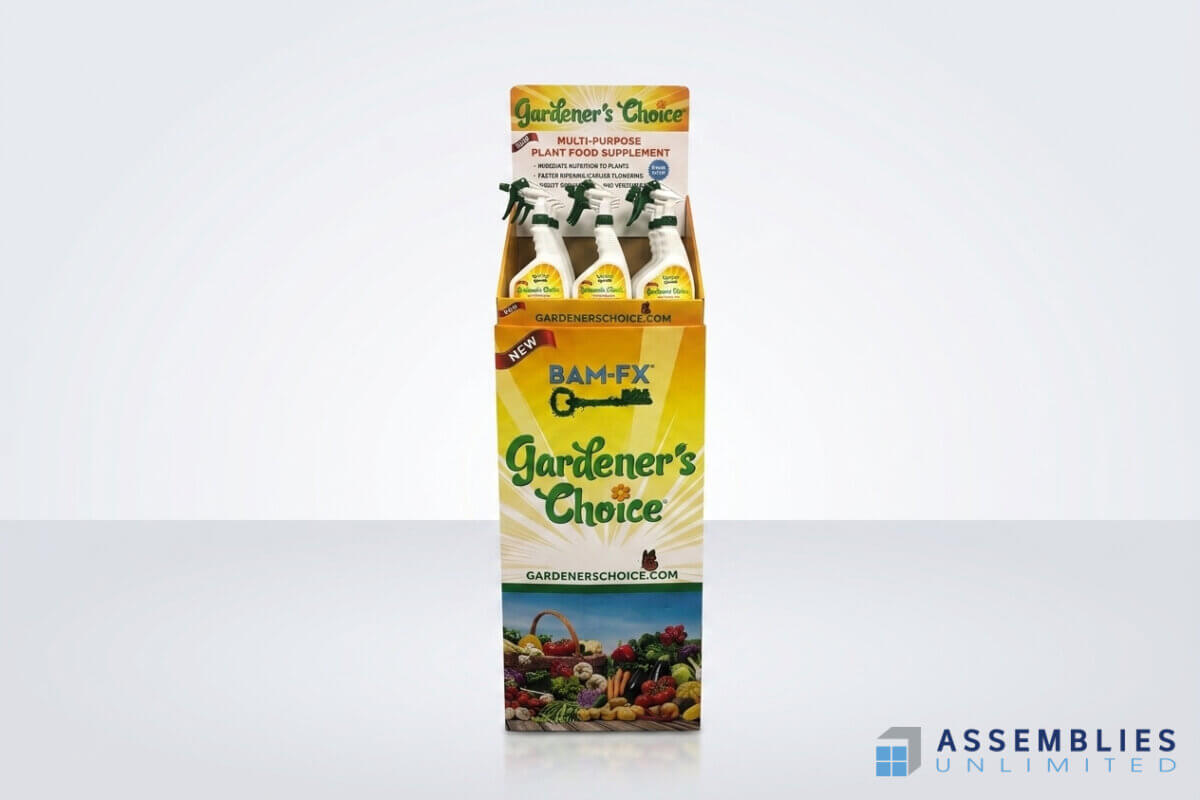
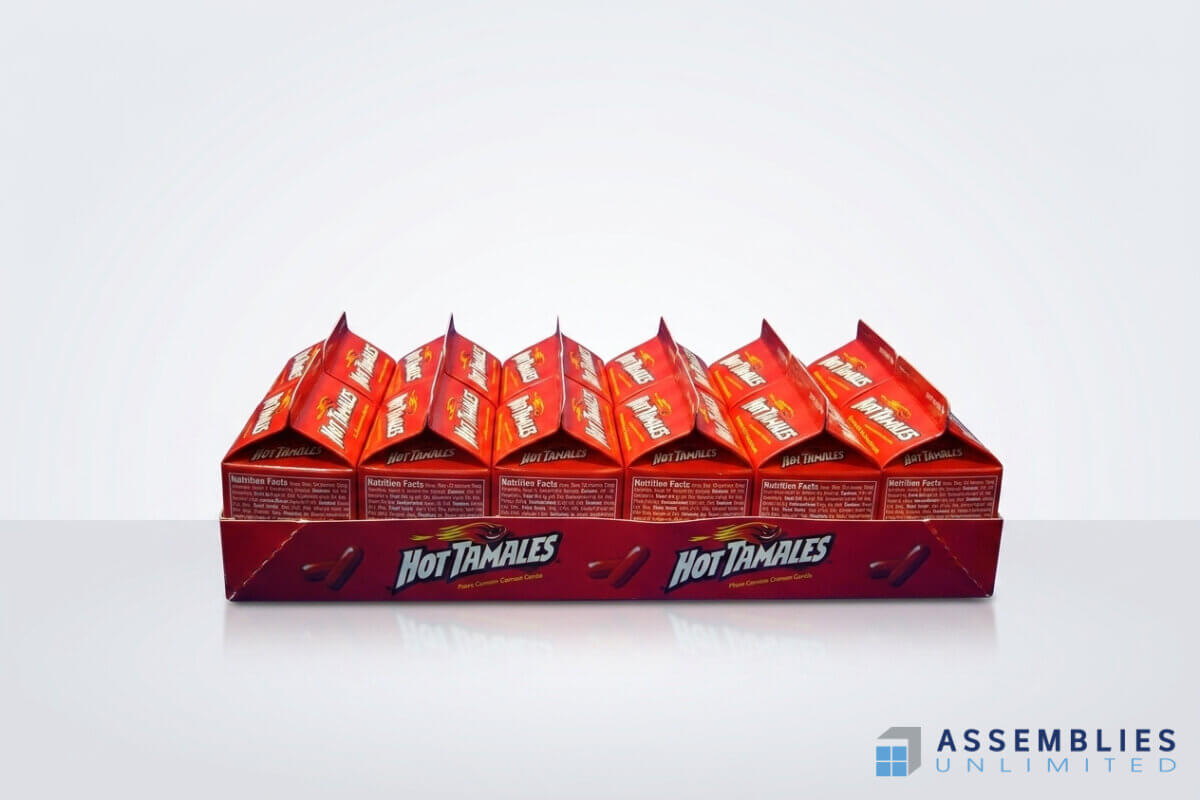
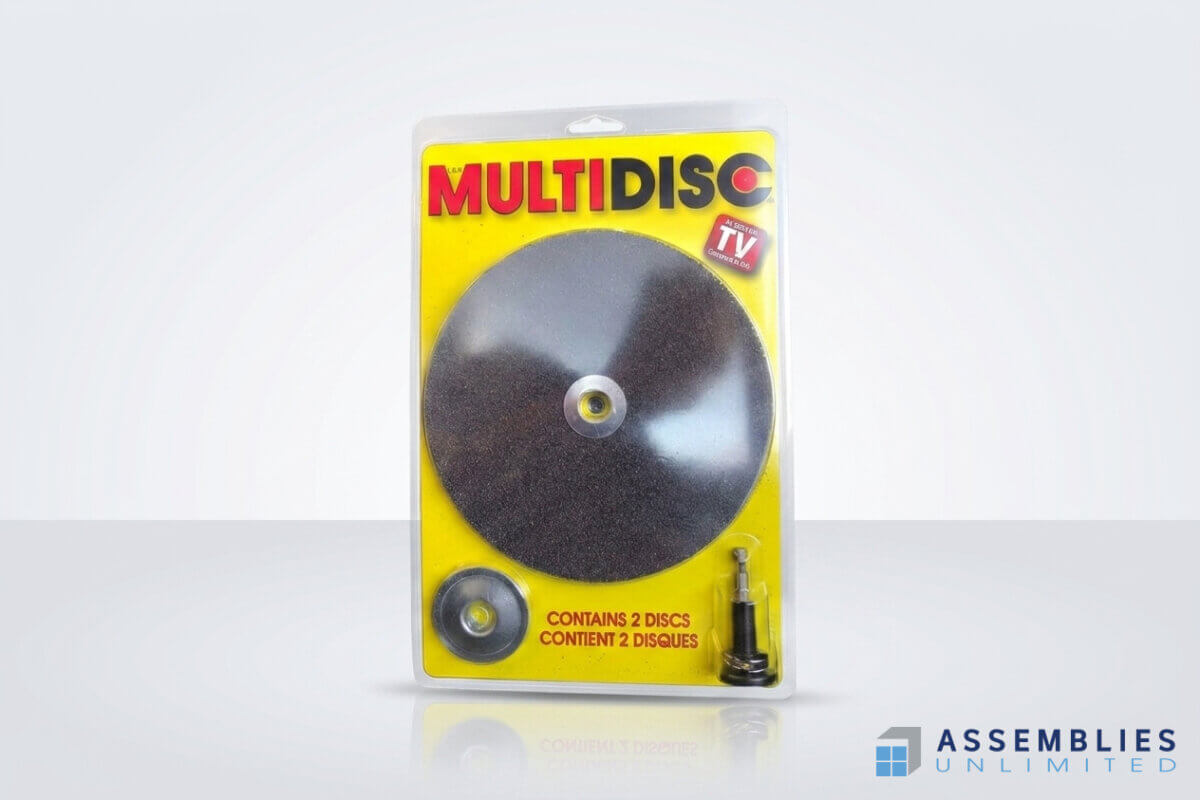
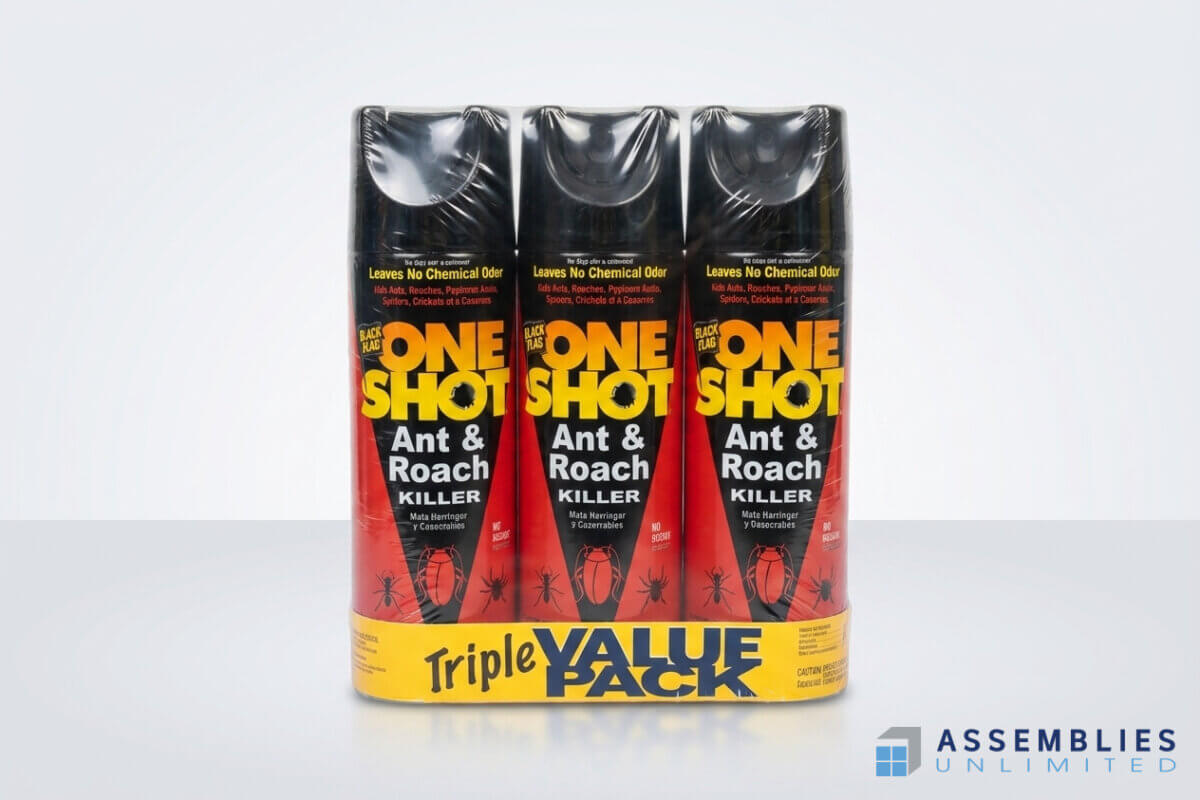
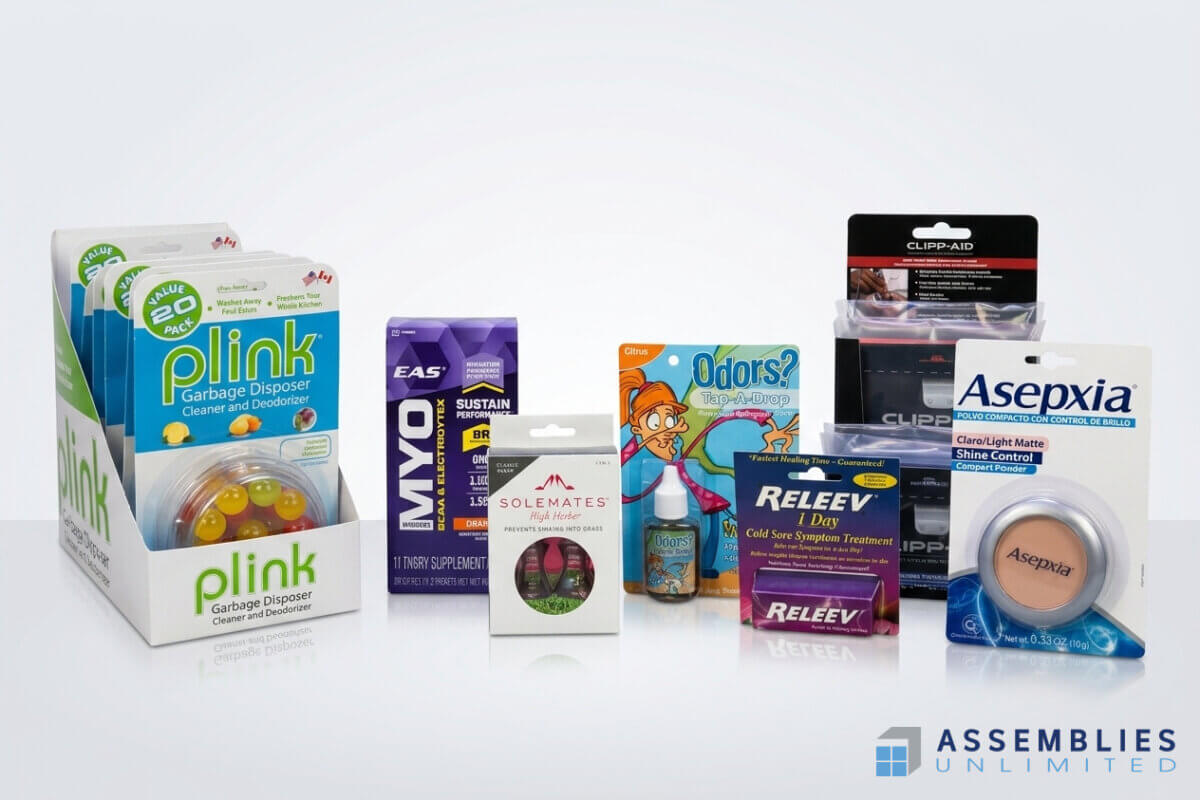
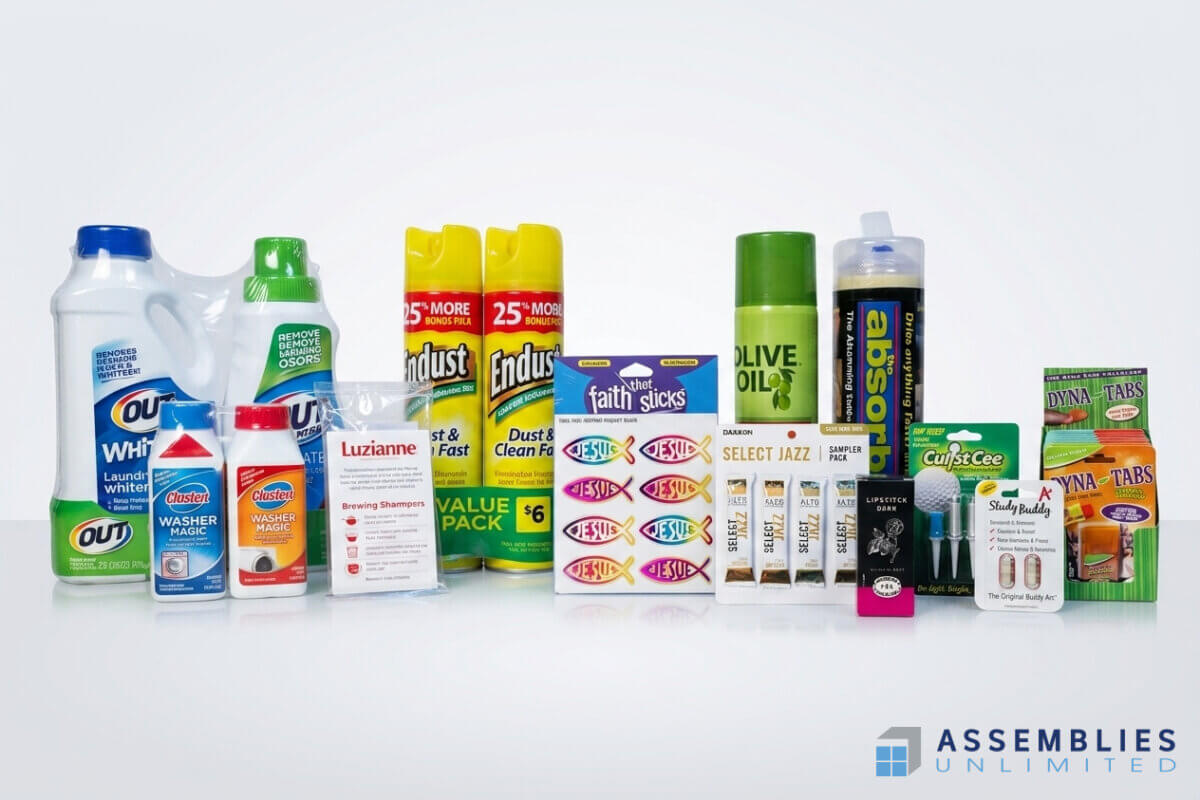
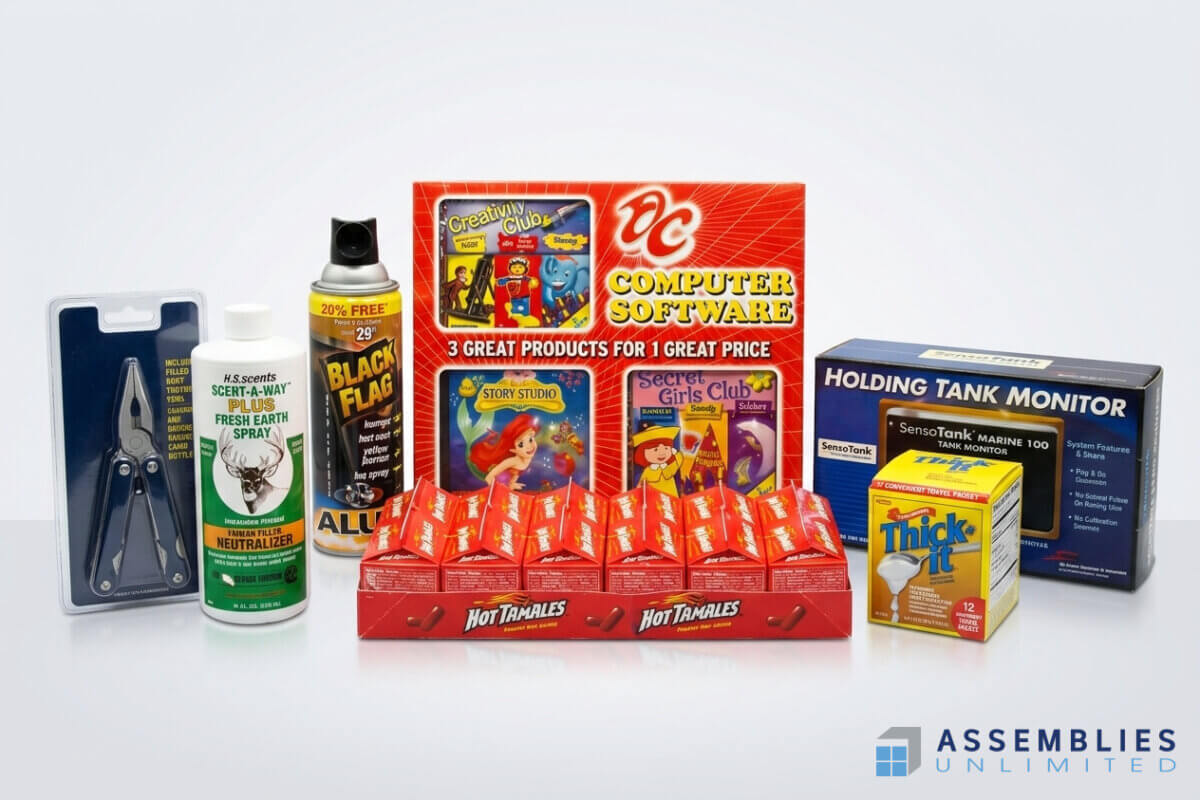
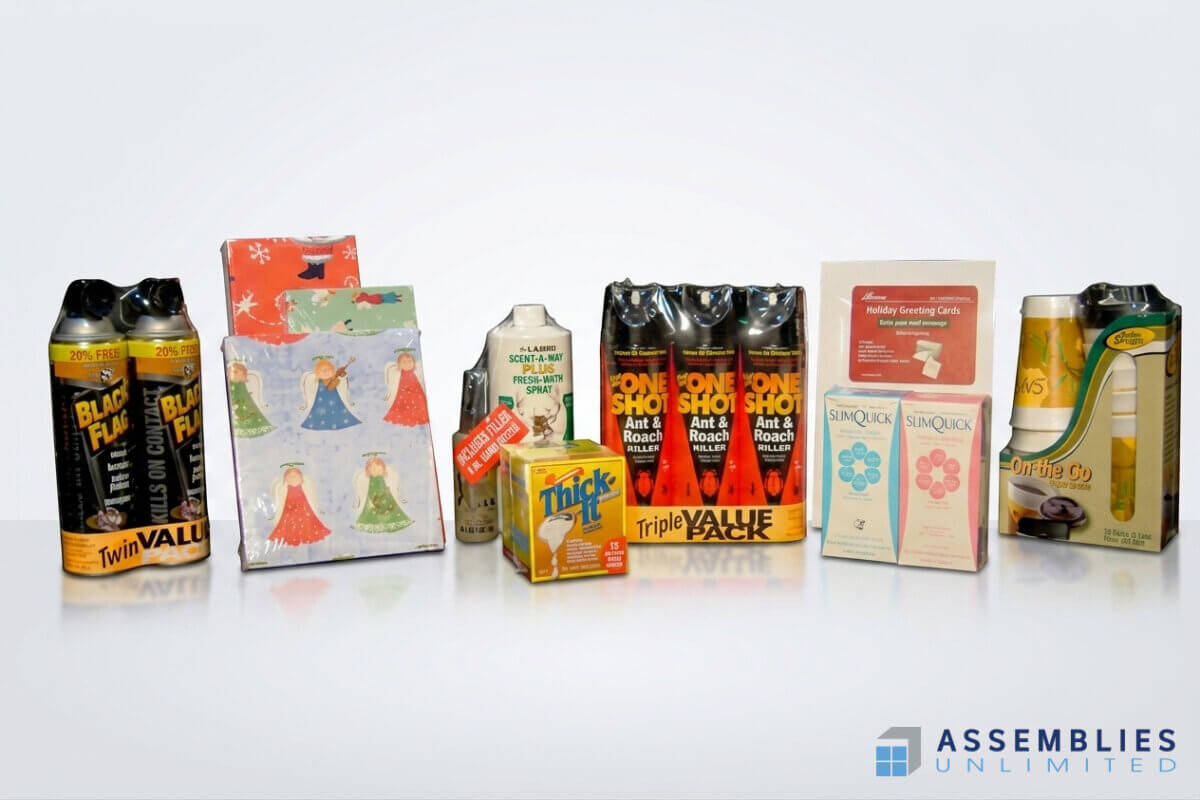
Below are some pictures of our “secondary packaging” projects completed:

The final secondary packaging steps needed to complete a project might include:

Assemblies Unlimited has built a great reputation for providing “secondary” assembly and packaging processes quickly and cost-effectively. Please contact us today and provide us with the specifications for your next secondary packaging, contract packaging, or fulfillment project.

With a proven local supplier network, we can source and procure any other raw packaging materials that may be needed for your project including shrink film, blister cards, thermoformed blisters, master cases, retail chipboard cartons, pouches, flexible film and much more.

Packaging specifications needed to receive a quote on Secondary Packaging:

  • Scope of work
  • Step by Step assembly instructions
  • Which components customer will supply and which ones you need AUI to provide
  • Facility certifications required (AIB, SQF, Organic, Kosher, Halal)
  • Labeling requirements
  • How many finished units packed out into a case for shipping
  • Date/lot code requirements for units or outer packaging
  • Quantity per production run (MOQs of 25K units)
  • Turnaround requirements

"Packaging solutions for every product"

If you are currently looking for the best contract packaging partner for filling, packaging or assembly of a food or non-food product please fill out the Request for Quote form on this page or email us at sales@assemblies.com with your project needs.

We look forward to working with you!

Request For Quote Reply Within 1 Hour

You can discuss plant location state requirements with your sales packaging specialist.
Our typical minimum quantity is 25,000 per SKU per run.

Your information is secure

We saved enormous time and capital!

As a startup in the international food business, now selling containers of products to Asia, we found Jim DeKosta and his team to serve us not only as fine and careful partners, but also as mentors: We saved enormous time and capital by relying on their expertise and experience, as opposed to having to learn everything in the highly specialized and constantly-morphing packaging arena on our own. It's essential to have a good and deep team, and great partners –– and Jim and his colleagues fulfill those roles particularly well for us. So grateful for them...

Bruce Weiss
Tenacity Partners, Inc.

I would highly recommend Assemblies!

Randy and his team do an exceptional job. They take an ENORMOUS amount of complexity off my plate and let me focus on what's mission-critical for my business. I would highly recommend them to any company that's trying to coordinate a large number of moving parts regarding product components, filling, and assembly. Thank you so much Randy!

Chris Tolles
Sundaily, Inc.

Frequently Asked Questions

About Secondary Packaging

Secondary packaging refers to any additional packaging step that deals with prewrapped or prepacked goods and making them into a “higher” assembly — for example, bundle wrapping 24 cans of a beverage. The can is the primary unit, and the bundle-wrapped pack represents the “secondary” packaging process of the primary item.

Secondary packaging serves several purposes, including protecting the primary package from dirt or dust, providing additional marketing or “billboard” space for the product, providing ease of transport, and making it easier for consumers to transport and store the product.

The list can be exhaustive, but common materials used include shrink films, bundle films, corrugated cases, chipboard cartons, and more.

Yes, many types of secondary packaging can be recycled, including cardboard, chipboard, paper, and certain plastics.

Examples of secondary packaging include club packs, POP display assembly, repackaging, shrink wrapping, bagging, bundling, and fulfillment services.

There are many reasons why a company chooses to outsource a secondary process. These include making more space available in-house, having others manage labor and supervision, using a source with necessary packaging equipment vs. buying their own, taking advantage of available capacity on the outside, and using experts who are already efficient in handling people, production lines, and logistics.

Choosing the right secondary packaging service depends on the specific needs and requirements of your product. You and your assigned packaging expert will discuss factors such as the type of product, the size and shape of the product, the intended end use, and the desired level of protection.

The most common secondary packaging services include shrink wrapping, blister packaging, clamshell RF sealing, bundle wrapping, kitting, hand assembly, skin packaging, bagging, POP display assembly, and fulfillment services.

Yes, we offer many secondary packaging options which can be customized to meet the unique needs of your product.

For secondary processes, we can typically start within a few days from the time all the materials are in-house.